workshop Building the Self-Operating Enterprise

Event Overview

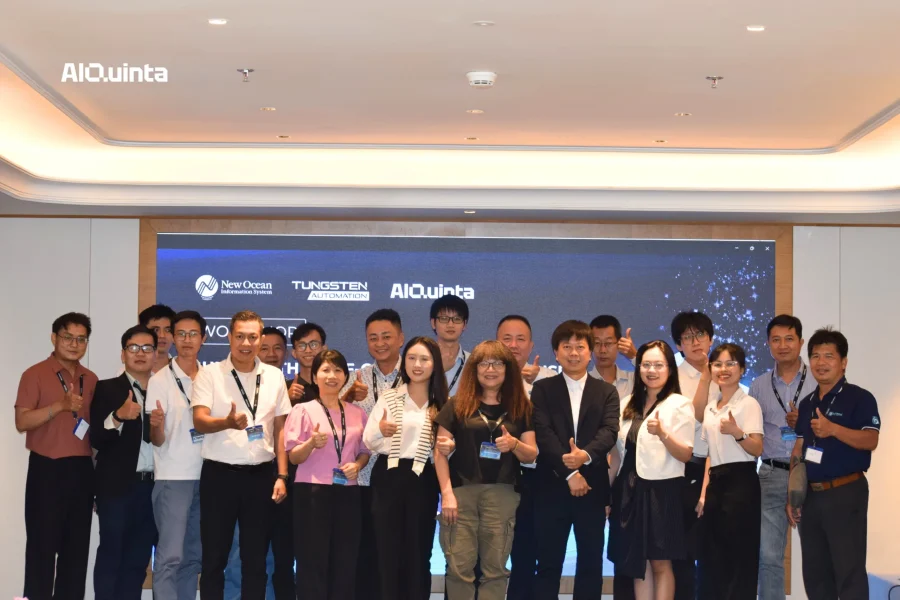
Group photo of speakers, organizers and attendees at the Building the Self-Operating Enterprise workshop.
Workshop: Building the Self-Operating Enterprise with Data Standardization and Actionable AI

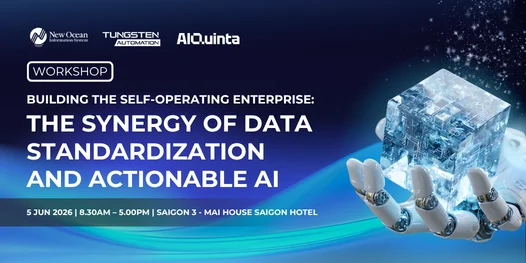
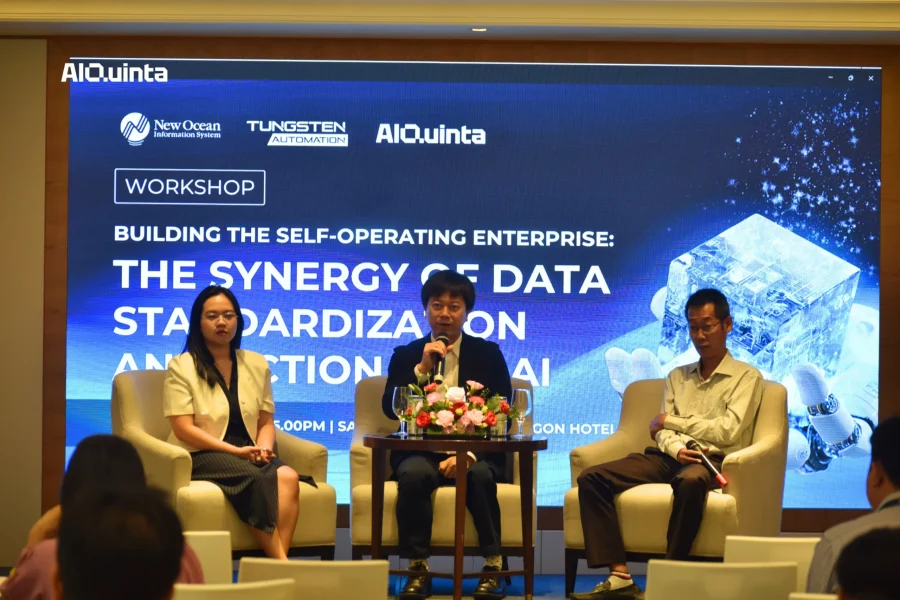
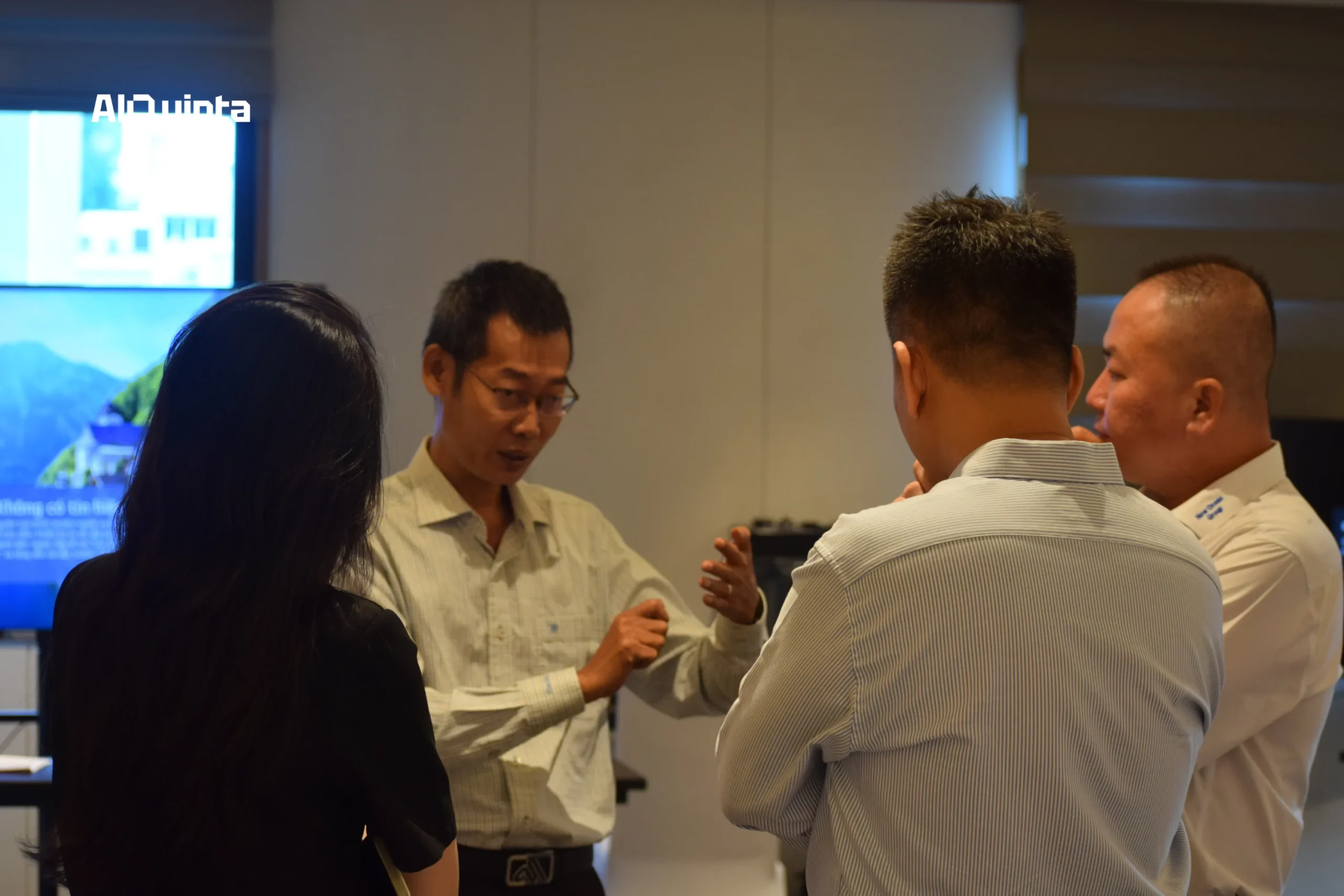
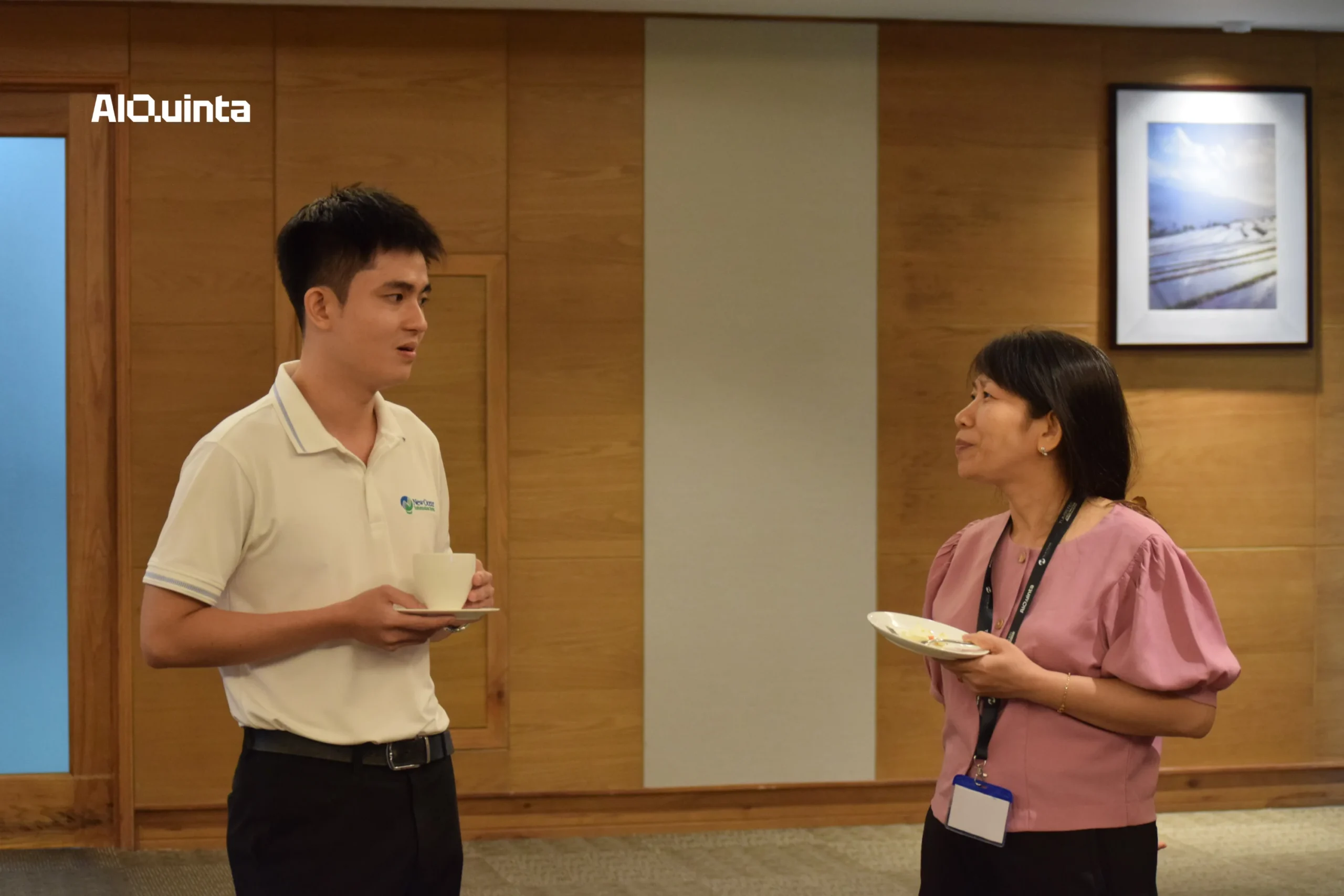
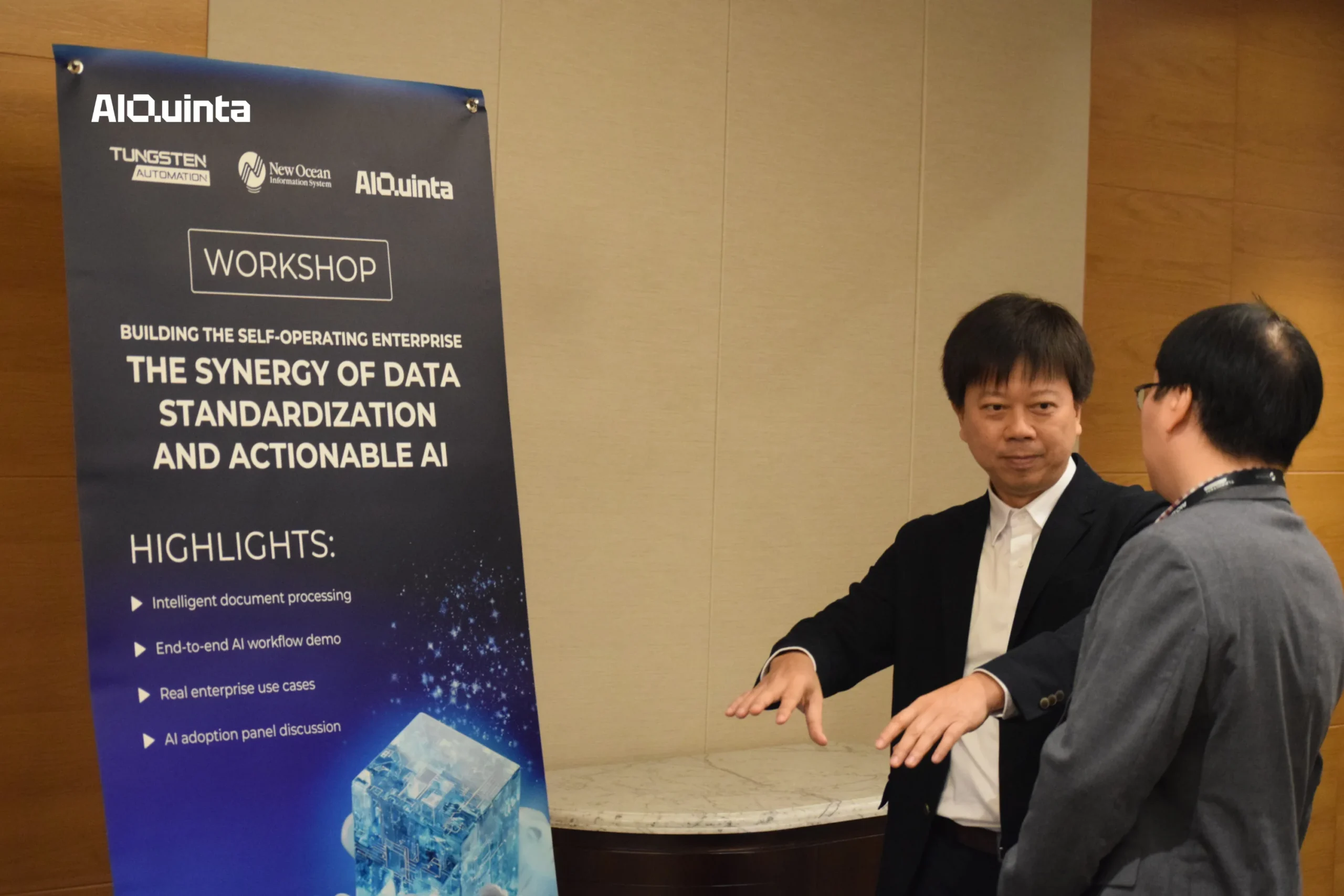
On 05 June 2026, AIQuinta joined New Ocean Information System and Tungsten Automation for the workshop “Building the Self-Operating Enterprise: The Synergy of Data Standardization and Actionable AI” at Mai House Saigon Hotel, Ho Chi Minh City.

The workshop was designed for enterprises looking to move beyond fragmented automation and build a more connected operating model. Across the full-day agenda, attendees explored how intelligent document processing, standardized data, and AI Agents can support enterprise workflows from information capture to decision-making and actionable output.

New Ocean Information System served as the organizer, with Tungsten Automation and AIQuinta as co-organizers. The workshop connected two critical layers of enterprise transformation: document automation as the data foundation, and actionable AI as the next layer of intelligent operations.

From Automation to a Self-Operating Enterprise

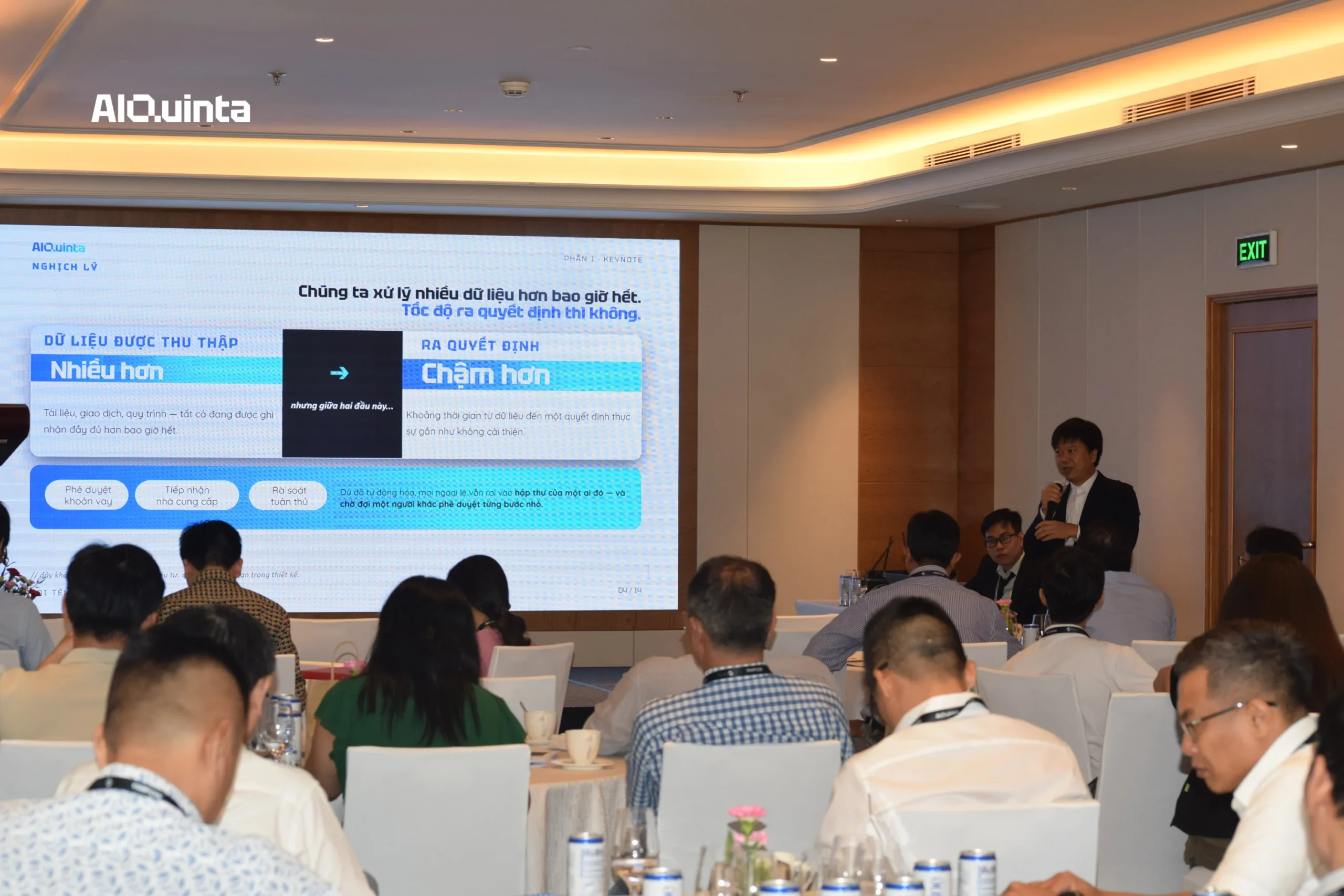
Automation alone is no longer enough.

Many enterprises have already automated parts of their operations. They use digital forms, document management systems, ERP systems, CRM tools, and workflow platforms. Yet in practice, many teams still face the same issues:

Documents are still handled across disconnected systems.
Data is still scattered across multiple sources.
Employees still need to search, verify, copy, and interpret information.
Decisions still depend on manual coordination.
AI pilots often struggle to scale because the data foundation is not ready.

A self-operating enterprise does not mean a company runs without people. It means the organization has the digital foundation to make operations more connected, responsive, and intelligent.

In this model, enterprise systems can capture information, understand context, support decisions, trigger workflows, and produce actionable output. People remain in control, but they are supported by systems that can handle repetitive, data-heavy, and document-heavy tasks with greater speed and consistency.

Why Data Standardization Matters Before AI Adoption

A key message from the workshop was clear: AI adoption starts with data readiness.

Before an enterprise can scale AI, it needs reliable data, standardized documents, structured workflows, and clear business rules. Without this foundation, AI systems may generate outputs, but those outputs may not be useful, consistent, or safe for real operations.

Data standardization helps businesses create a shared foundation across departments, systems, and workflows. It allows AI systems to understand business context, retrieve accurate information, and support decisions based on trusted data.

For enterprises, this foundation is critical because AI adoption is not only a technology project. It is an operating model shift.

A company cannot build reliable AI workflows on top of inconsistent documents, fragmented data, and unclear process logic. The smarter the AI use case, the stronger the data foundation must be.

Morning Session: Intelligent Document Processing with Tungsten Automation

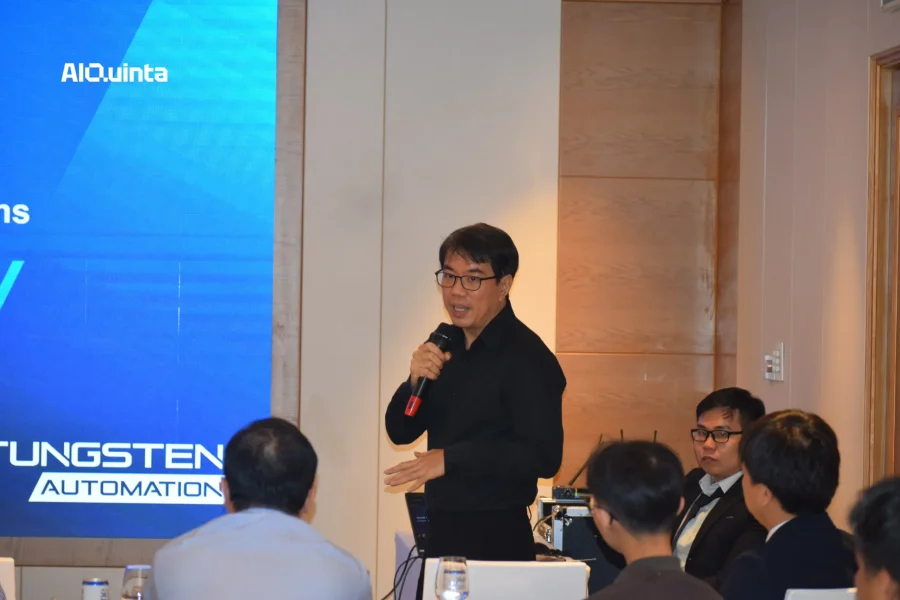
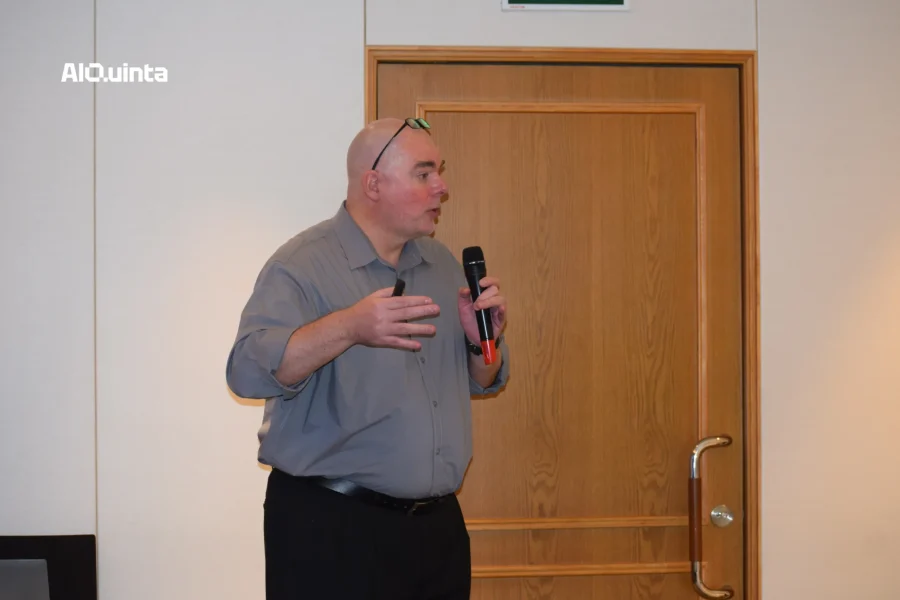
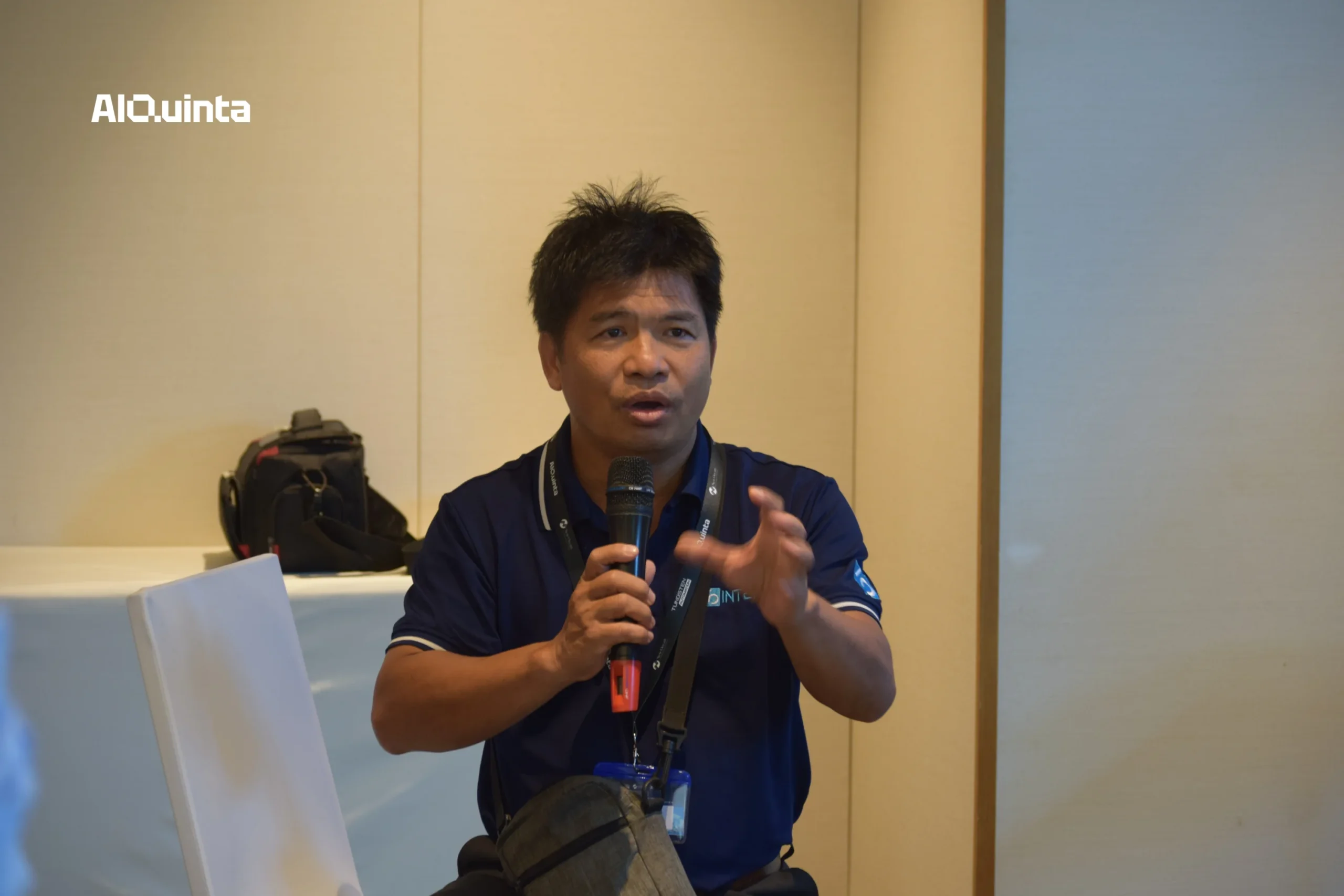
Mr. Chin Soon Hui, Senior Solutions Consultant at Tungsten Automation, speaker at the Building the Self-Operating Enterprise workshop.
Mr. Rick Dekeling, Senior Solutions Consultant at Tungsten Automation, speaker at the Building the Self-Operating Enterprise workshop.

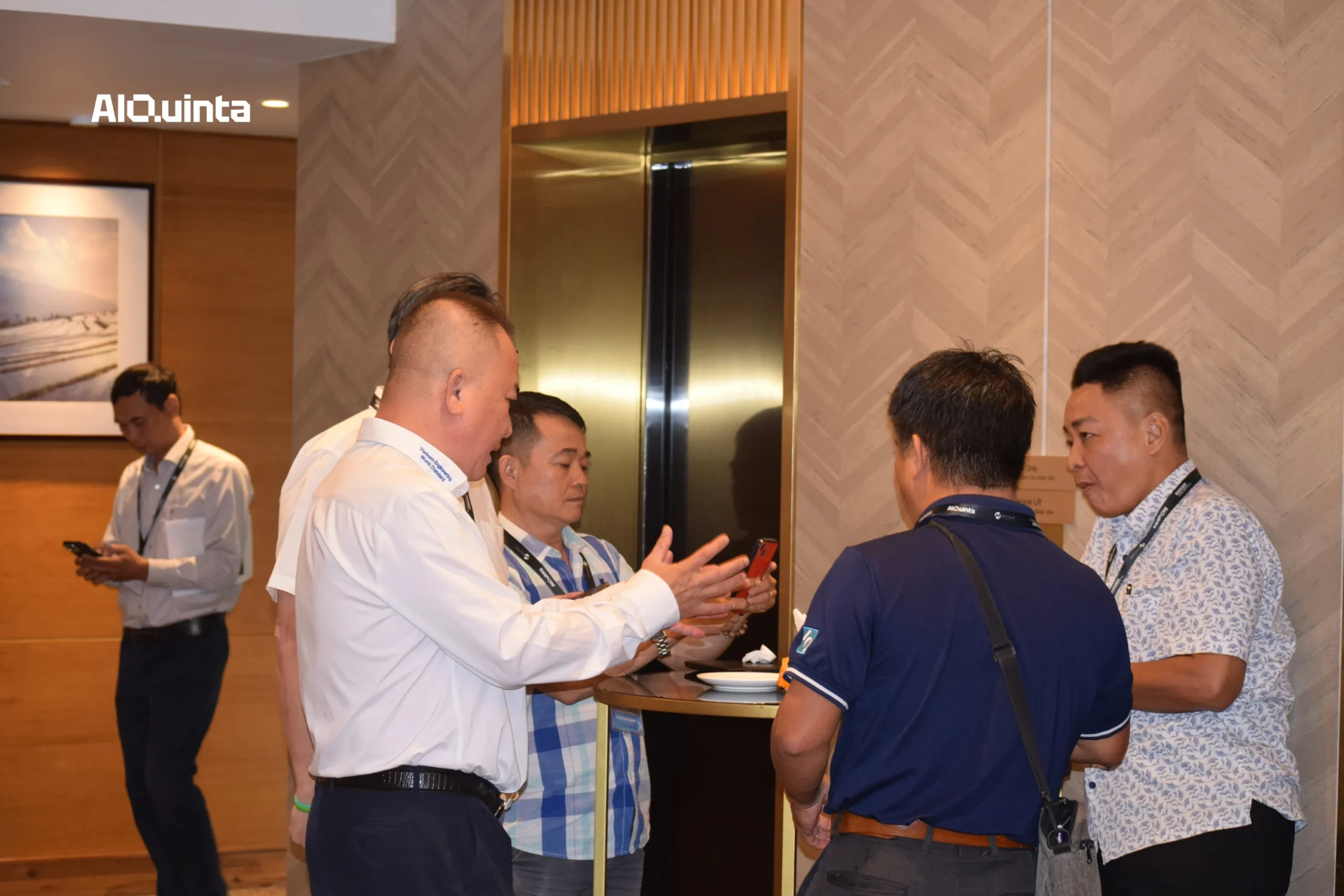
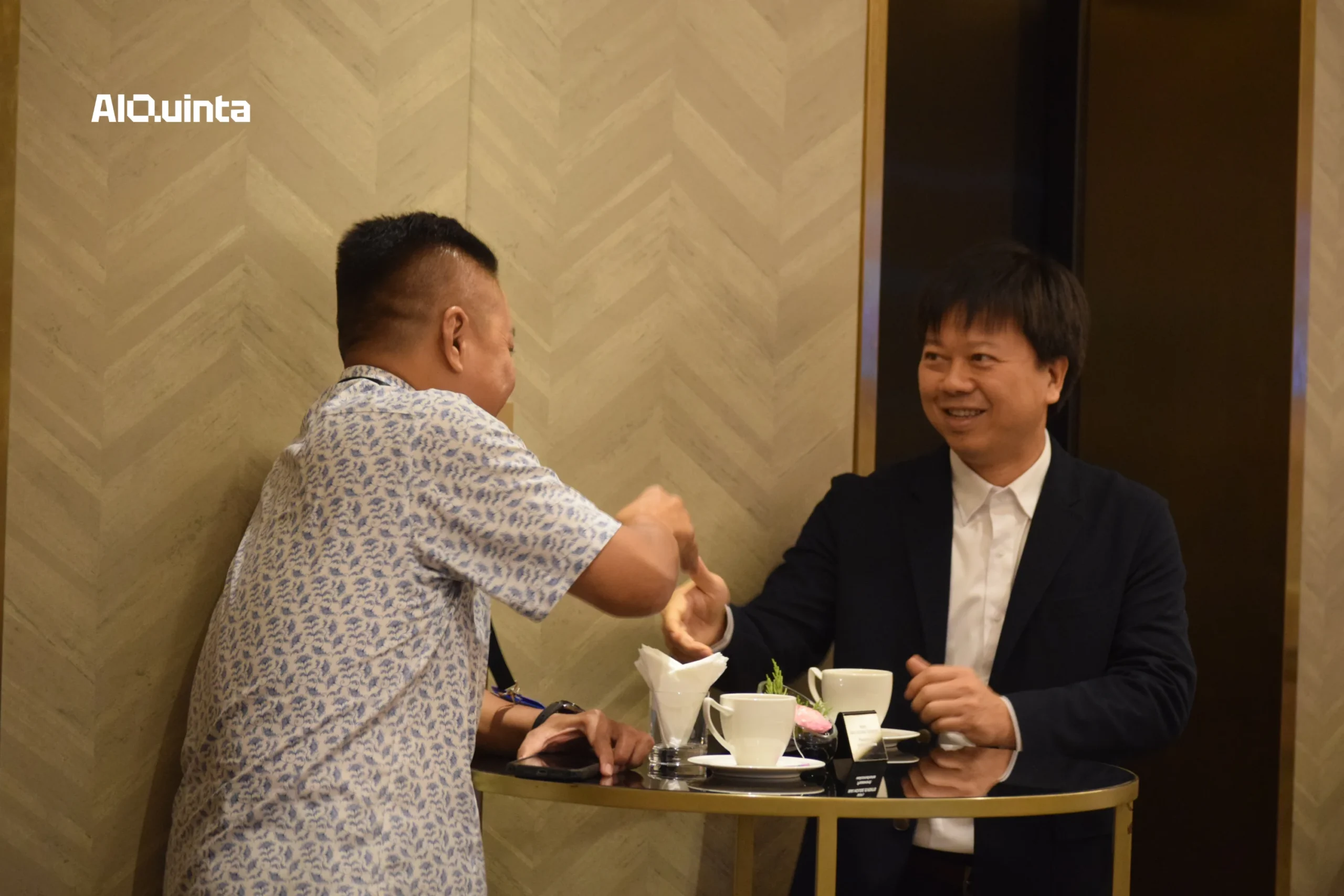
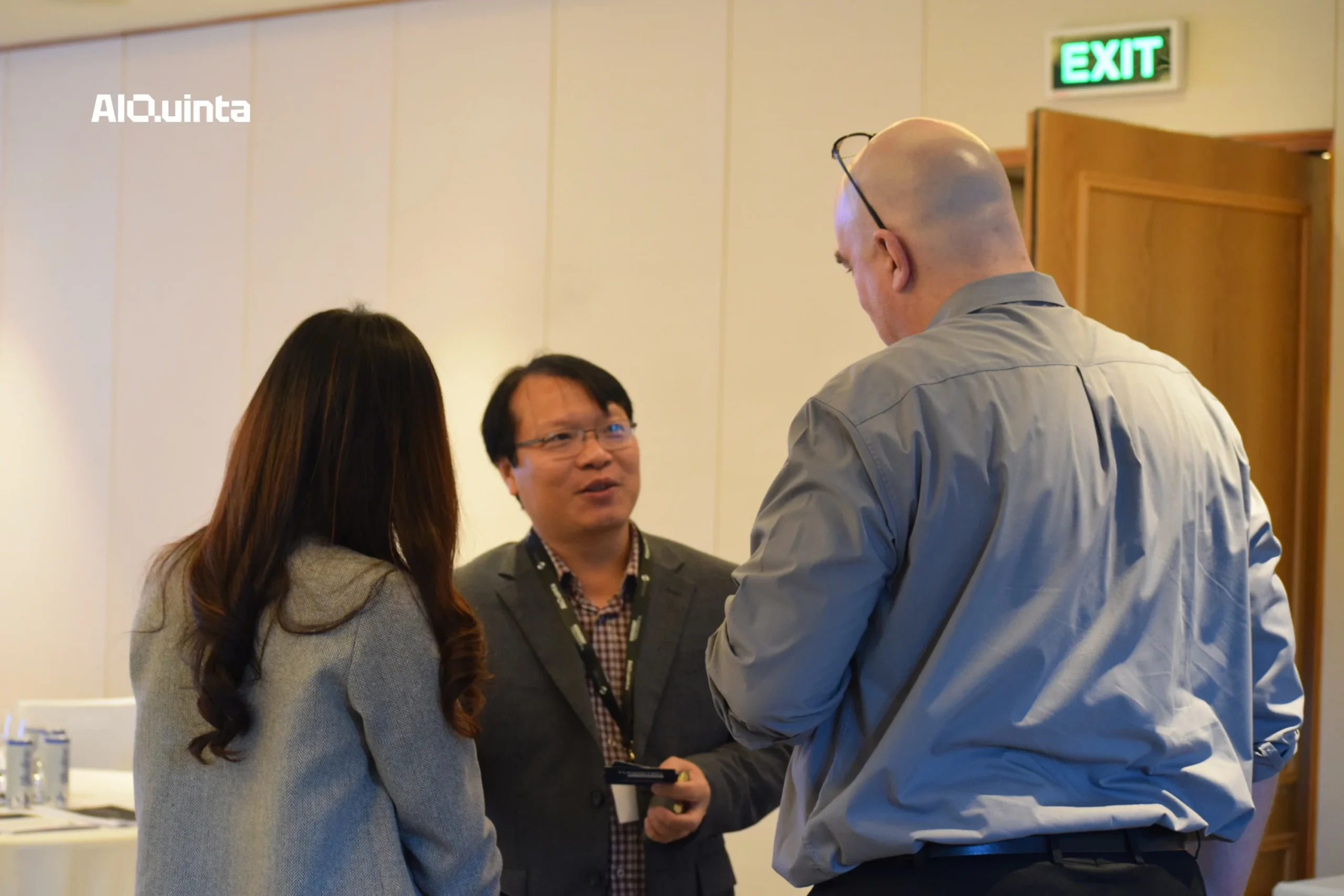
The workshop began with reception, registration, and networking, followed by the welcome and opening session.

The keynote set the frame for the day: automation alone is not enough. For enterprises to build a more intelligent operating model, data, documents, workflows, and decisions need to be connected.

The morning session was led by Tungsten Automation and featured:

🔹 Ms. Onnicha – Sales Manager, Tungsten Automation
🔹 Mr. Rick Dekeling – Senior Solutions Consultant, Tungsten Automation
🔹 Mr. Chin Soon Hui – Senior Solutions Consultant, Tungsten Automation

During the session, Tungsten Automation introduced its product portfolio and shared how intelligent document processing can help enterprises improve document-heavy operations.

Instead of treating document digitization as a standalone task, the session showed how documents can move through a complete workflow:

  • Capture
  • Classification
  • Processing
  • Decision-making
  • Output

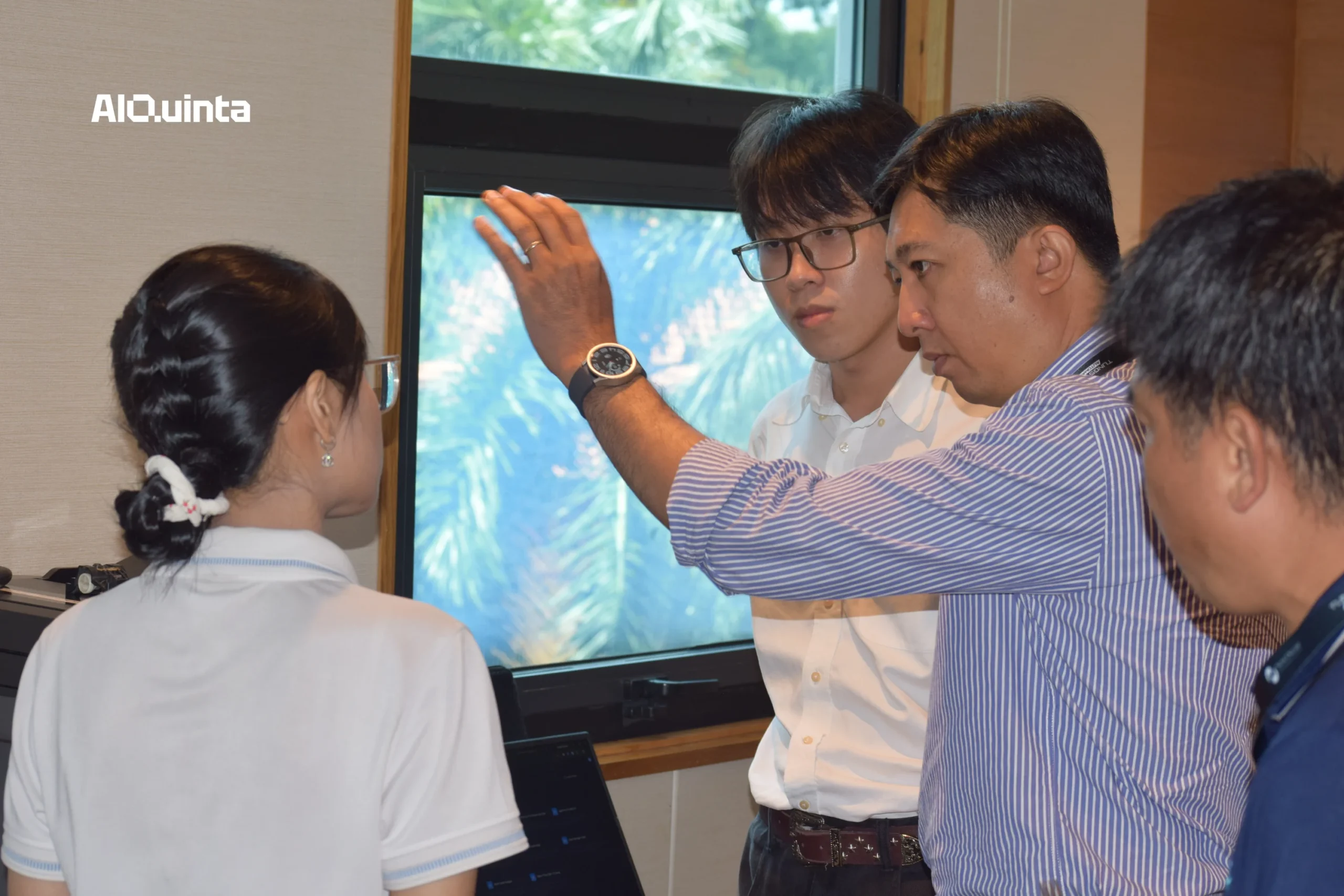
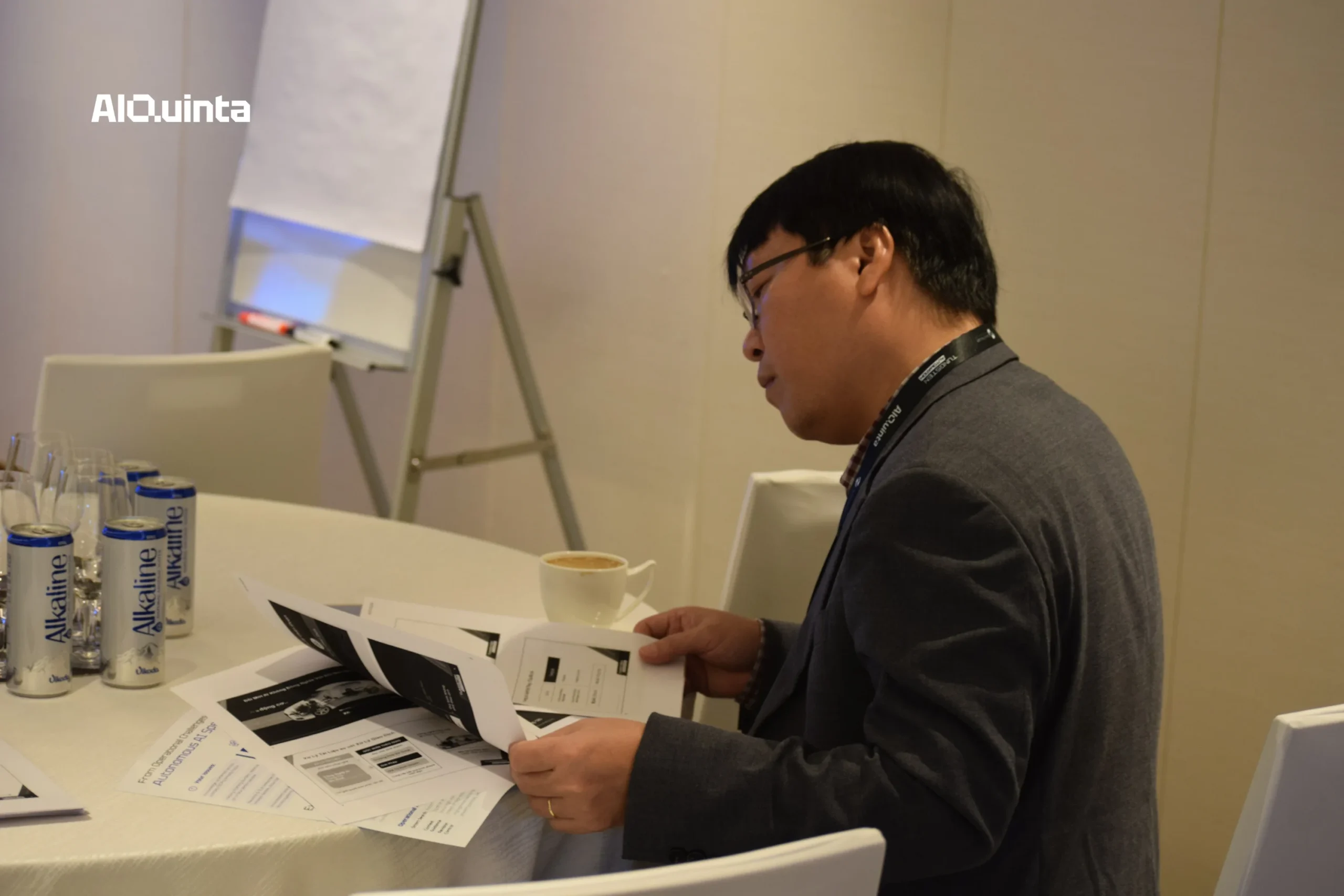
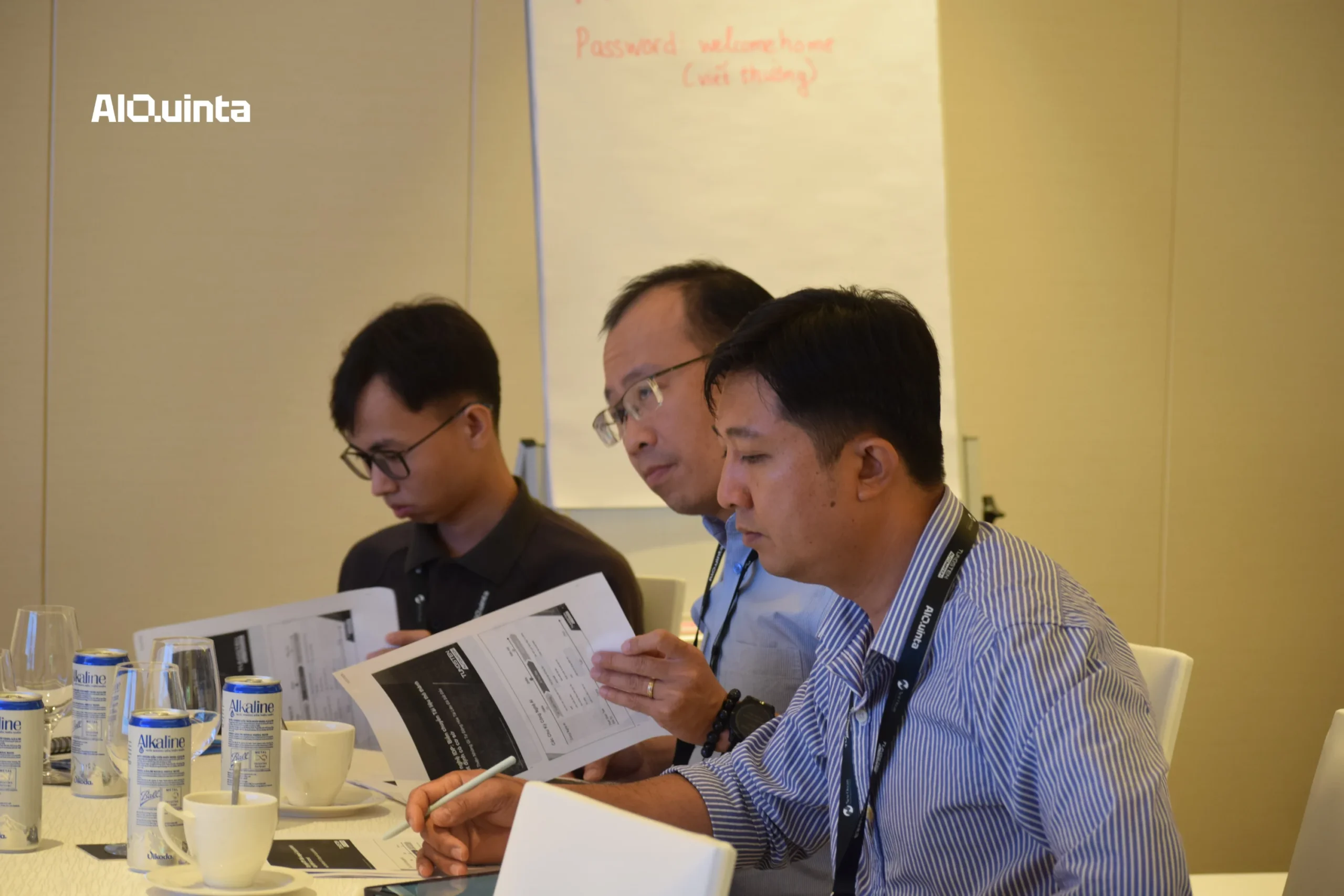
A key highlight of the morning was the demo walkthrough and live Q&A. Attendees saw how a single document could travel through the full system, from capture and classification to decision-making and physical output, with reduced manual intervention.

For enterprises, this is a critical foundation. Documents remain central to finance, logistics, manufacturing, procurement, customer service, compliance, and many other functions. When document workflows remain fragmented, data quality suffers. When data quality suffers, AI adoption becomes harder to scale.

The Tungsten Automation session showed how intelligent document processing can help enterprises reduce manual work, improve workflow consistency, and prepare cleaner data for the next stage of AI adoption.


Afternoon Session: AIQuinta and the Shift Toward Actionable AI

The afternoon session was led by AIQuinta.

The opening message focused on a key market issue: automation, data foundation, and AI should not be treated as separate projects. They are connected parts of one continuous infrastructure decision.

Many enterprises start with automation projects. Later, they explore data standardization. After that, they test AI use cases. In practice, these layers need to work together.

AI needs reliable business context. Business context depends on structured data. Structured data often begins with better document and workflow management.

This is why AIQuinta’s session focused on actionable AI: AI that is not limited to answering questions, but can support workflow execution, reasoning, decision support, and practical business output.

AIQuinta Use Case Deep Dives

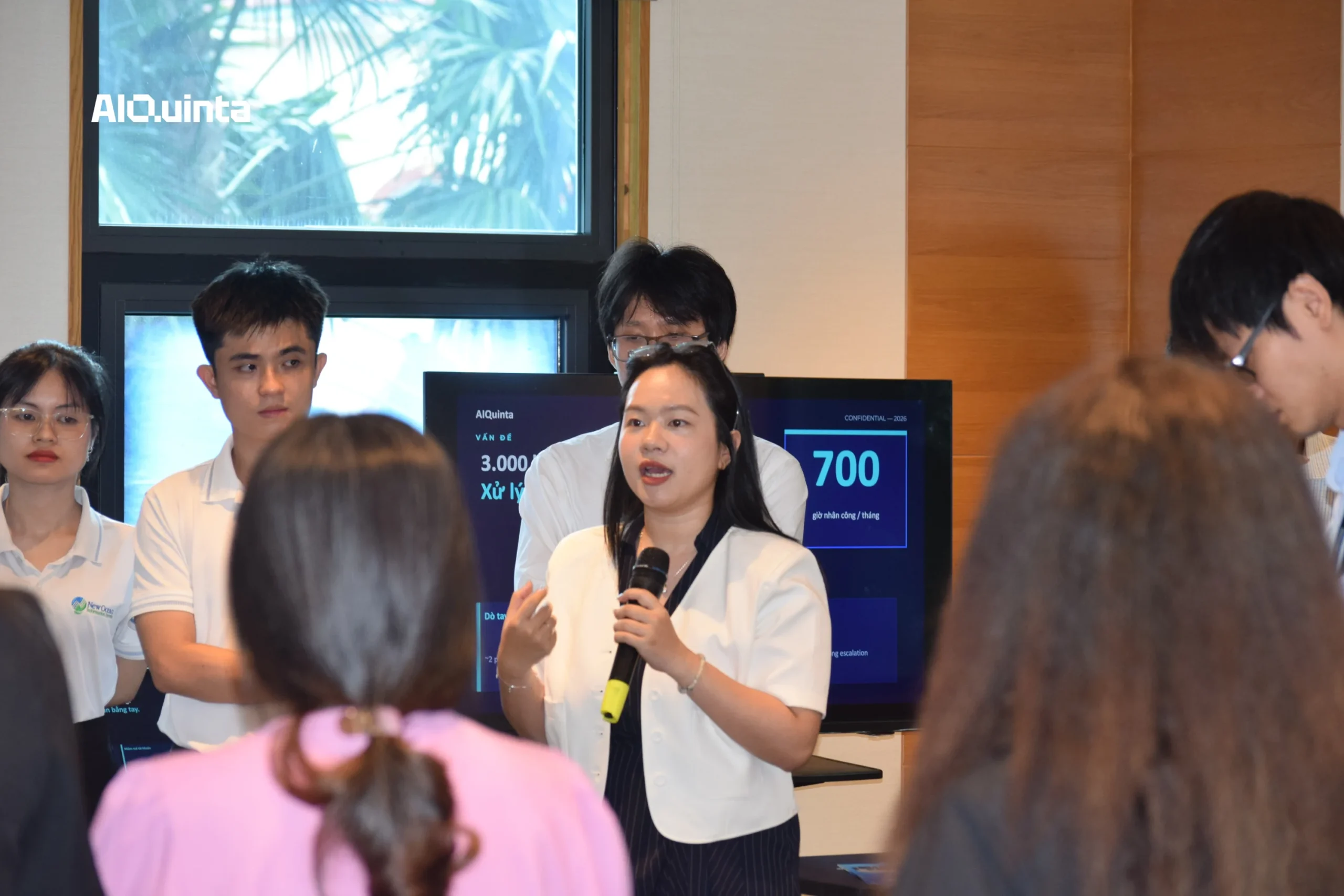
During the AIQuinta use case deep dives, attendees explored selected enterprise AI scenarios in depth.

The session focused on how AI Agents can support real business workflows, not just general AI interaction. AIQuinta demonstrated how AI Agents can move through reasoning flows, understand business context, process enterprise knowledge, and generate outputs that support decision-making.

The session highlighted several core ideas:

  • AI must understand the business context before it can support action.
  • AI workflows need access to relevant enterprise knowledge and data.
  • AI Agents should be mapped to specific operational use cases.
  • The value of AI comes from practical output, not from isolated experimentation.
  • Enterprises need to identify where AI can reduce manual work, improve speed, and support better decisions.

For AIQuinta, this is the practical direction of enterprise AI. AI should not sit outside the workflow. It should help teams handle knowledge-heavy, decision-heavy, and coordination-heavy tasks with greater consistency.

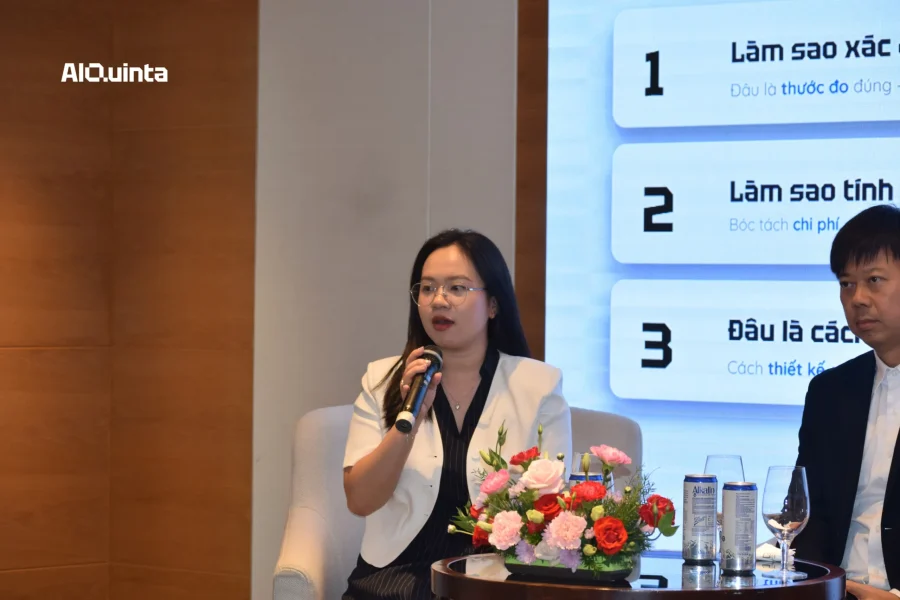
Panel Discussion: Real AI Adoption, What Works, What Fails, What’s Next

Panel Discussion Real AI Adoption, What Works, What Fails, What’s Next

One of the key highlights of the afternoon was the panel discussion: “Real AI Adoption: What Works, What Fails, What’s Next.”

The panel featured:

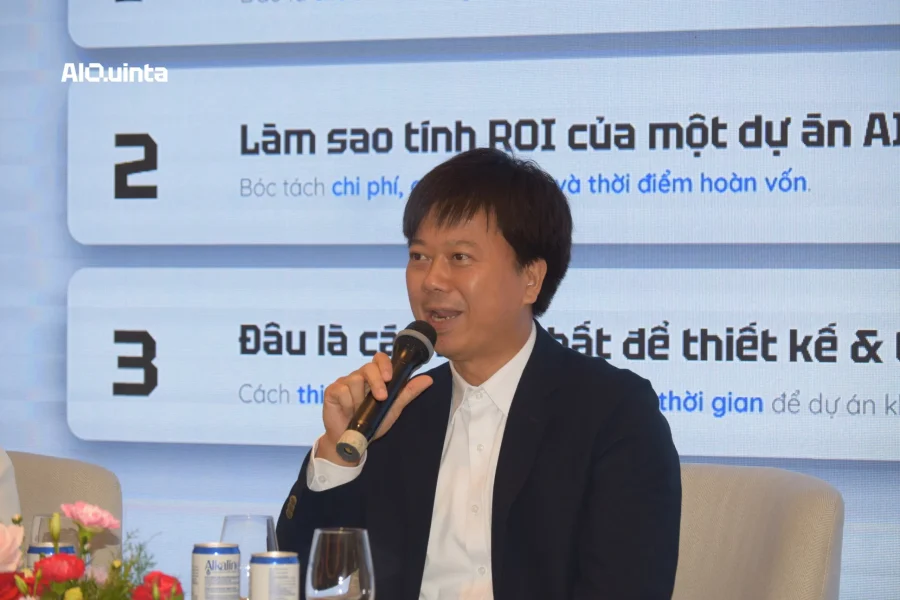
🔹 Mr. Andy Tran – CEO, New Ocean IS | CEO, AIQuinta
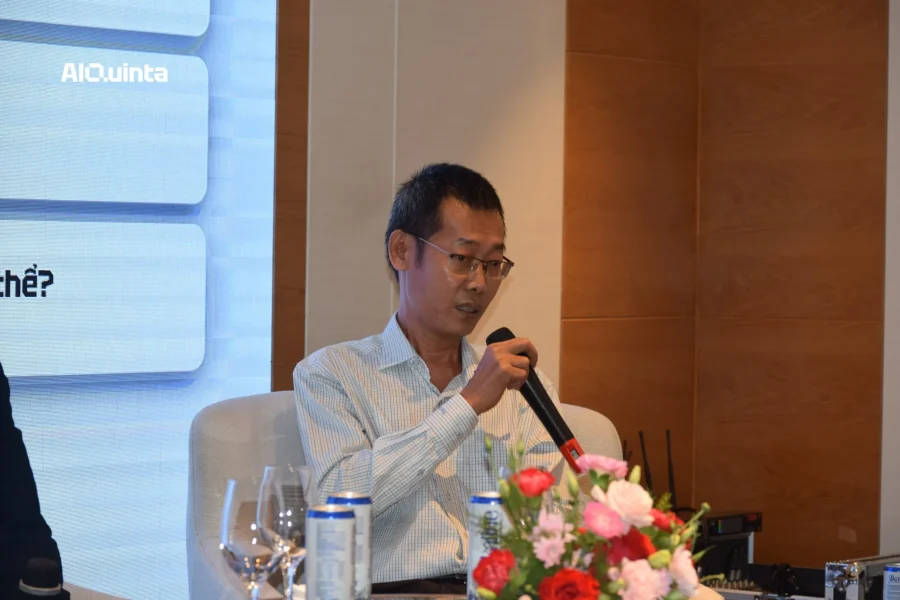
🔹 Mr. Tommy Nguyen – CTO, AIQuinta
🔹 Ms. Trang Nguyen – Product Owner, AIQuinta

The discussion focused on the practical side of AI adoption. Many enterprises are already testing AI, but moving from pilot projects to real operational impact requires more than tools.
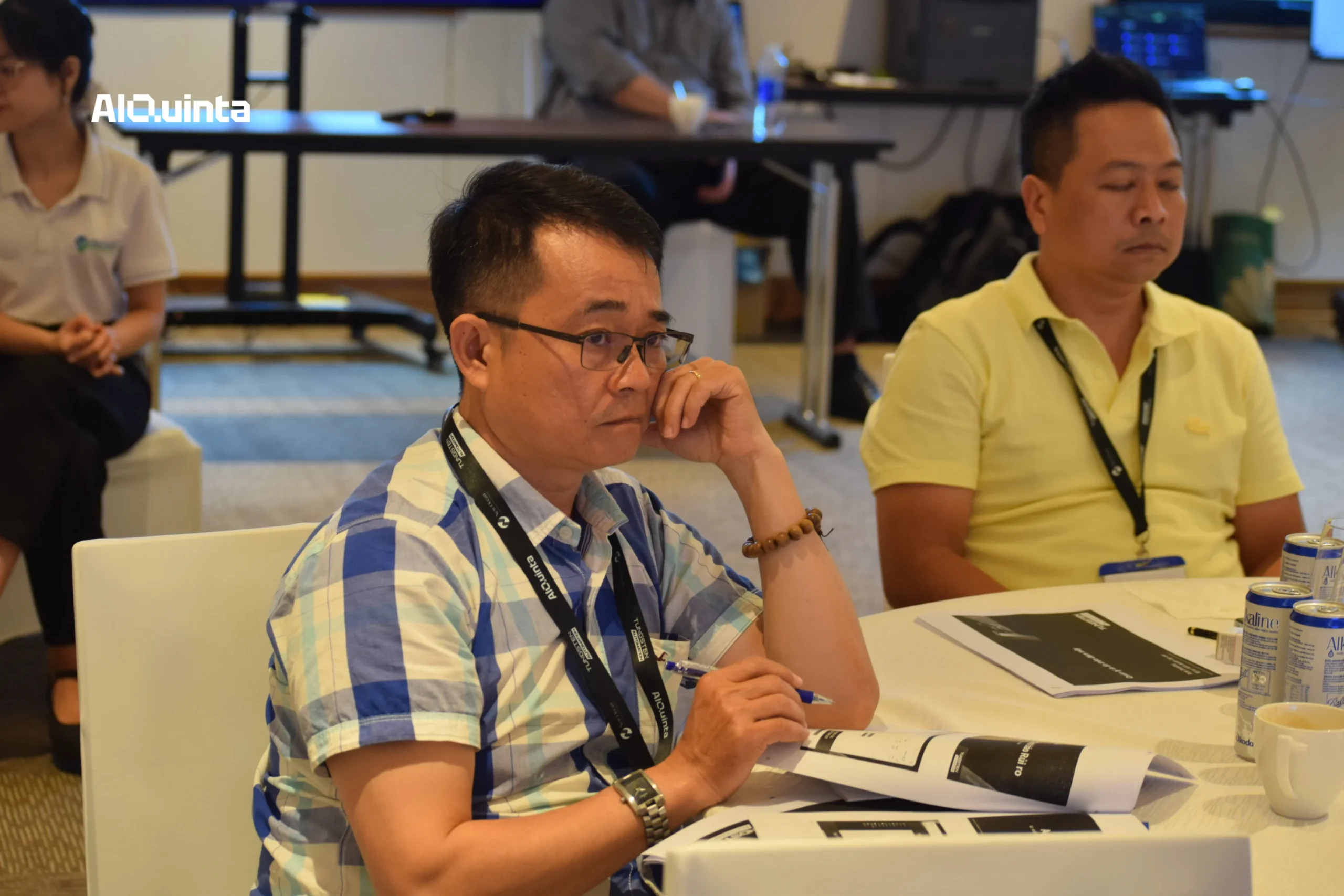
The panel explored several business-critical questions:

  • What does a company need before AI can work effectively?
  • Where does AI create the fastest value?
  • Why do some AI initiatives fail?
  • How should enterprises define real ROI?
  • What should companies prepare before scaling AI across operations?
  • How can business and technology teams align around AI adoption?

A core takeaway from the discussion was that AI adoption should start with business priorities and operational readiness. Enterprises need to understand their workflow pain points, data conditions, risk areas, and expected outcomes before expanding AI use cases.

AI is not just a technology decision. It is an operating model decision.

Mr. Andy Tran, CEO of New Ocean IS and AIQuinta, speaker at the Building the Self-Operating Enterprise workshop.
Mr. Tommy Nguyen, CTO of AIQuinta, speaker at the Building the Self-Operating Enterprise workshop.
Ms. Trang Nguyen, Product Owner at AIQuinta, speaker at the Building the Self-Operating Enterprise workshop.

Key Takeaways from the Workshop

The workshop highlighted several important lessons for enterprises preparing for AI adoption.
1. AI needs a strong data foundation

AI cannot deliver reliable value if enterprise data is fragmented, unstructured, or inconsistent. Before scaling AI, businesses need to standardize data, documents, and workflows.

2. Document automation is a strategic starting point

Documents carry critical business information. By improving document processing, enterprises can unlock cleaner data and reduce manual work across departments.

3. AI Agents must be connected to real workflows

AI Agents create value when they support real tasks, not when they operate as isolated chat interfaces. They need context, knowledge, logic, and integration with enterprise processes.

4. ROI depends on use case selection

Not every AI use case should be prioritized. Enterprises should focus on workflows where AI can reduce manual effort, improve decision speed, increase accuracy, or unlock new operating capacity.

5. Adoption requires both technology and organizational readiness

Successful AI adoption requires alignment between business leaders, technology teams, operations teams, and data owners. Without this alignment, AI projects can remain stuck at the pilot stage.

AIQuinta’s View: From Enterprise Knowledge to Actionable AI

For AIQuinta, the future of enterprise AI is not only about building smarter models. It is about helping businesses turn their knowledge, data, and workflows into intelligent systems that can support action.

Enterprises already have valuable knowledge inside documents, systems, reports, policies, procedures, and expert teams. The challenge is that this knowledge is often difficult to access, hard to connect, and slow to apply.

AIQuinta helps enterprises bridge this gap by building AI workflows that can understand business context, support reasoning, and generate actionable outcomes.

This is the direction of actionable AI: AI that is not only informative, but operational.

Conclusion

The workshop “Building the Self-Operating Enterprise: The Synergy of Data Standardization and Actionable AI” created a practical forum for discussing the next phase of enterprise transformation.

The morning session with Tungsten Automation showed how intelligent document processing can help enterprises build a stronger data foundation. The afternoon session with AIQuinta showed how AI Agents and practical use cases can help businesses move from automation to real AI adoption.
The core message is clear: the future enterprise will not be built by automation alone. It will be built by connecting standardized data, intelligent workflows, enterprise knowledge, and actionable AI.

AIQuinta would like to thank New Ocean IS, Tungsten Automation, all speakers, partners, and attendees for joining this practical exchange on the future of enterprise AI.

As enterprises continue their AI adoption journey, the priority is no longer just to experiment with AI. The priority is to build the foundation for AI to work in real operations.

Schedule an AI Workshop or Strategic Consultation

Latest Articles